
Your Ads Without a Strong GMT Strategy Are Just Good Art
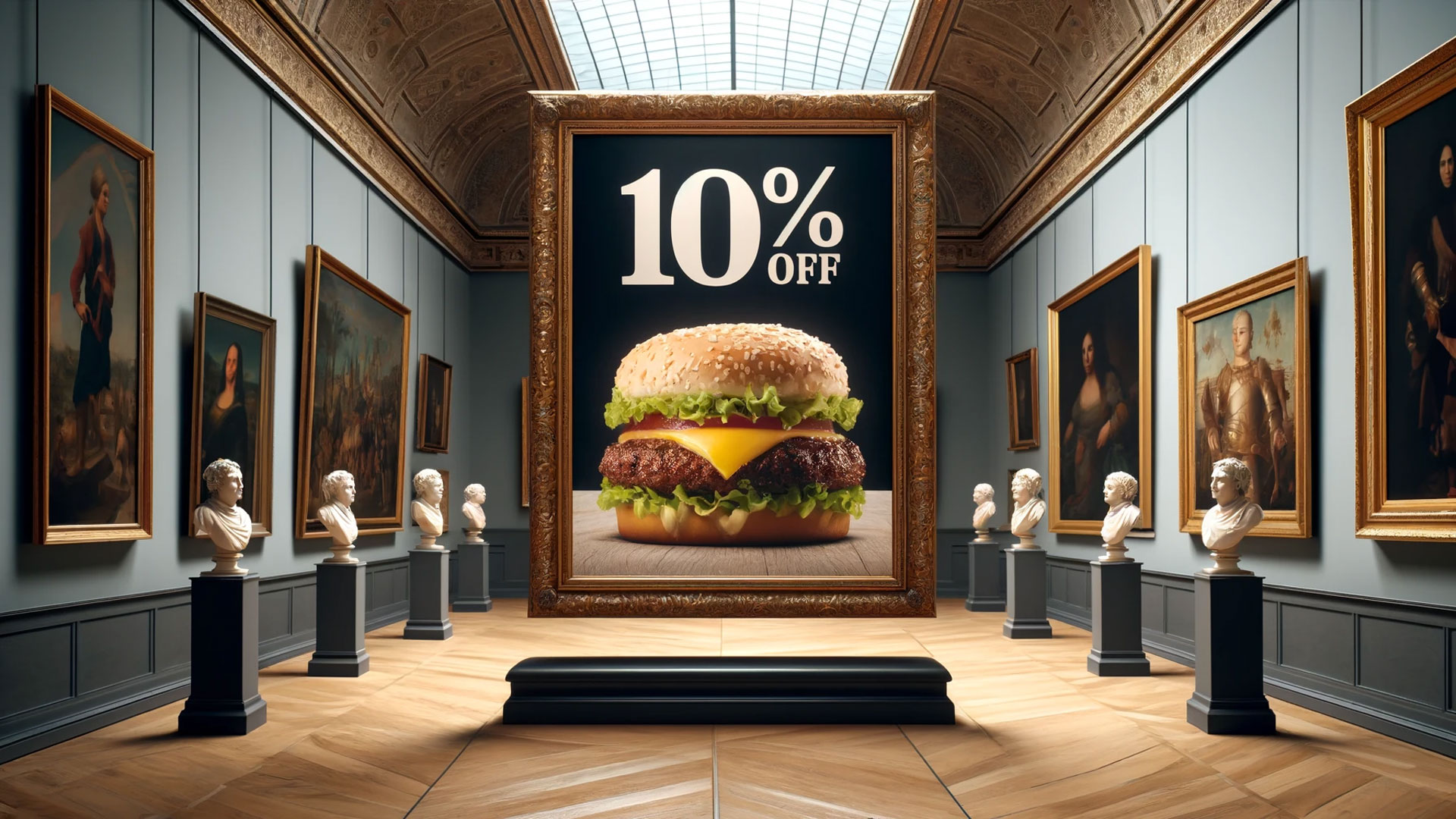
We’ve all seen them—stunning advertisements with beautiful visuals, clever copy, and production values that rival Hollywood films. Yet despite their artistic merit, many of these campaigns fail to move the needle on business results. Why? Because beautiful advertising without a solid Go-to-Market (GMT) strategy is just expensive art.
The Art vs. Strategy Disconnect
There’s a dangerous tendency in marketing to prioritize creative execution over strategic foundation. Agencies win awards for beautiful work, but awards don’t always translate to business results.
The Symptoms
- Campaigns that generate buzz but not sales
- High engagement metrics with low conversion rates
- Brand awareness that doesn’t translate to market share
- Creative that wins awards but loses customers
What Is a Go-to-Market Strategy?
A Go-to-Market strategy is your comprehensive plan for launching a product or service to market. It answers fundamental questions:
- Who is your target customer?
- What problem are you solving for them?
- Where will you reach them?
- When is the right time to engage?
- Why should they choose you over alternatives?
- How will you deliver and support your offering?
Why Strategy Must Come First
1. Targeting Precision
The most beautiful ad in the world is worthless if it’s shown to the wrong audience. A strong GMT strategy ensures your creative reaches people who are actually in the market for what you’re selling.
2. Message Relevance
Strategy informs messaging. When you deeply understand your customer’s pain points, desires, and decision-making process, your creative can speak directly to what matters most to them.
3. Channel Selection
Different audiences consume media differently. Your GMT strategy determines where your ads should appear for maximum impact—not just maximum reach.
4. Timing Optimization
When you understand your customer’s buying journey, you can time your advertising to reach them at moments of maximum receptivity.
5. Competitive Positioning
Strategy helps you differentiate. Without it, even beautiful creative can get lost in a sea of similar-looking competitors.
The Strategic Creative Process
Here’s how strategy and creative should work together:
Step 1: Market Analysis
Before any creative work begins, understand:
- Market size and dynamics
- Competitive landscape
- Customer segments and personas
- Buying behaviors and triggers
Step 2: Strategic Framework
Develop clear answers to:
- What is our unique value proposition?
- What is our positioning relative to competitors?
- What are our key messages and proof points?
- What actions do we want customers to take?
Step 3: Creative Brief
Only now should creative development begin, guided by:
- Clear objectives tied to business outcomes
- Defined target audience with specific insights
- Key messages prioritized by importance
- Tone and manner guidelines
- Success metrics
Step 4: Execution and Optimization
Launch with:
- Testing frameworks to validate assumptions
- Measurement systems to track performance
- Optimization processes to improve results
- Feedback loops to inform future strategy
Signs Your Ads Are Just Art
Ask yourself these questions:
- Can you clearly articulate who your ads are targeting and why?
- Do you know what action you want viewers to take?
- Can you measure whether your ads are achieving business objectives?
- Is your creative differentiated from competitors?
- Does your advertising connect to a broader customer journey?
If you answered “no” to any of these, your ads might be beautiful—but they’re probably not strategic.
The OrangeStudio Difference
At OrangeStudio, we believe that great advertising is the intersection of strategic insight and creative excellence. We never start with creative concepts; we start with business objectives and customer understanding.
Our process ensures that every piece of creative work is:
- Grounded in strategic insight
- Targeted to the right audience
- Designed to drive specific actions
- Measurable against business outcomes
Ready to make your advertising work harder? Contact us to discuss how we can help you develop a GMT strategy that makes your creative truly effective.