
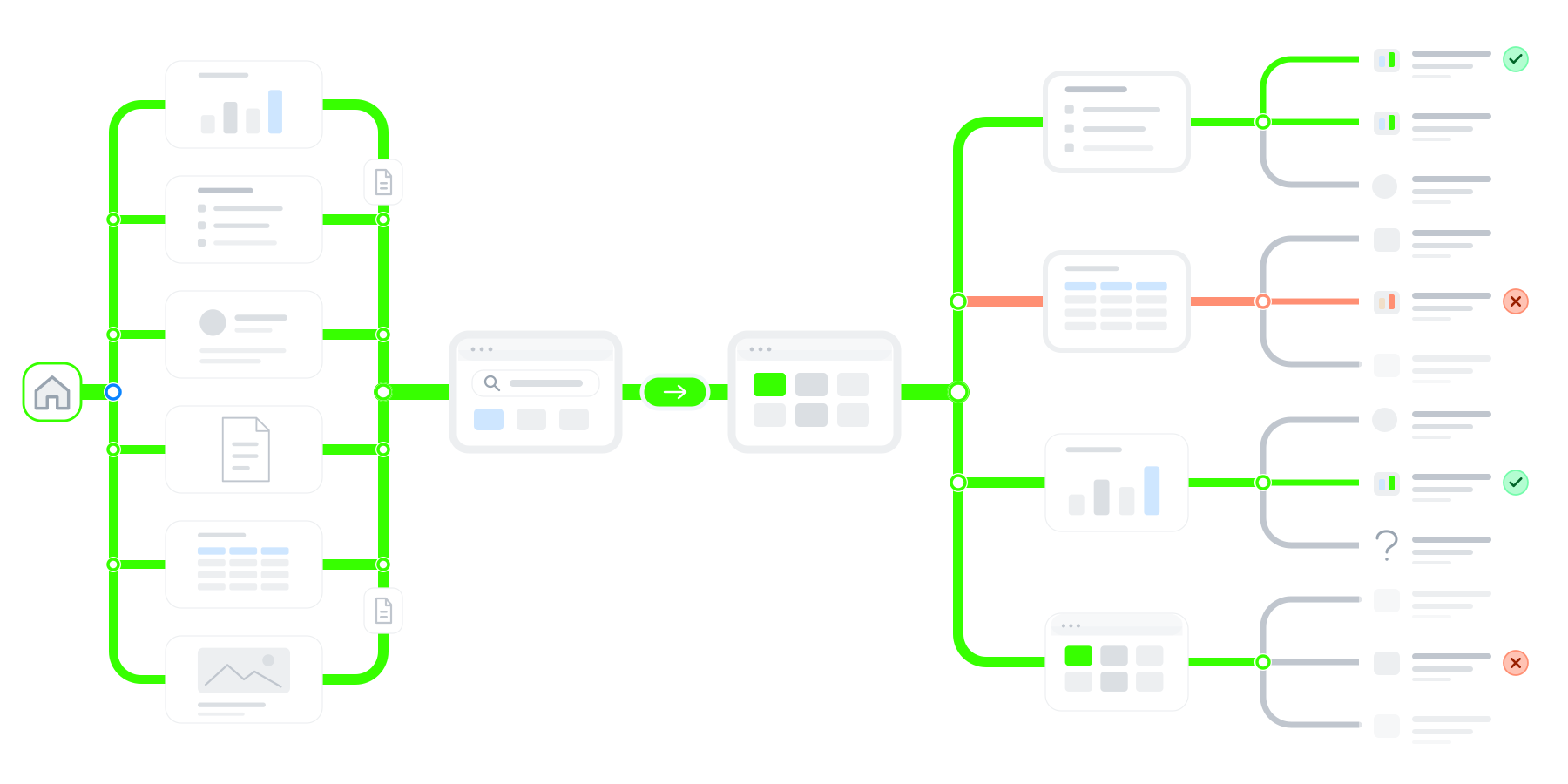
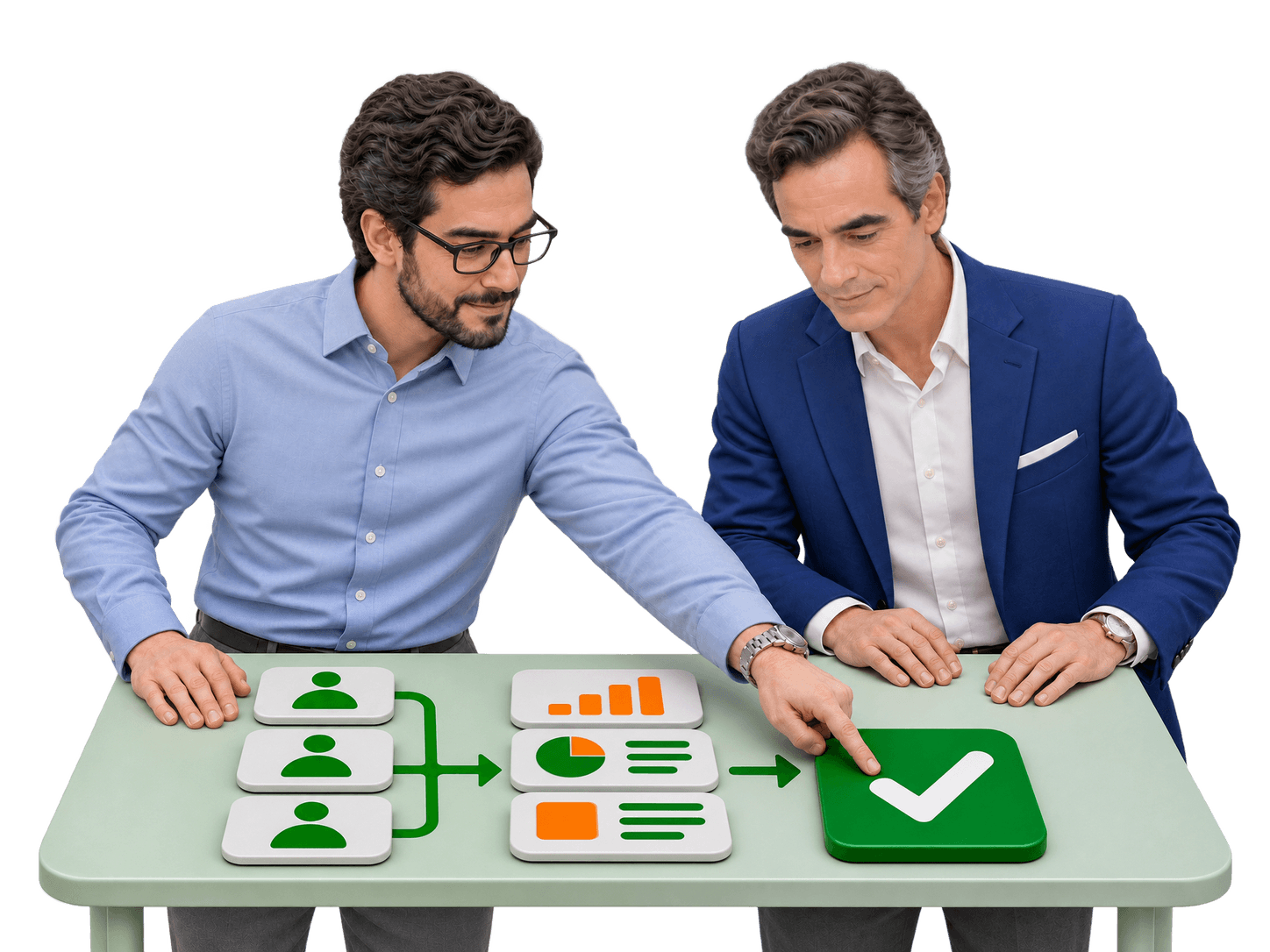
Work stalls between teams

We analyze flows, processes and data to spot bottlenecks and delays, then hand you an action plan.

A decision backed by evidence: what is failing, how it should work and where to start. OAR is a standalone phase of research, diagnosis and roadmap.
For leaders, CEOs, CFOs, CTOs, COOs and sales directors, among others, who need to unblock a business decision and can give access to the people, the process and the information.If you already have a clear problem, evidence and scope, we can scope a project directly.
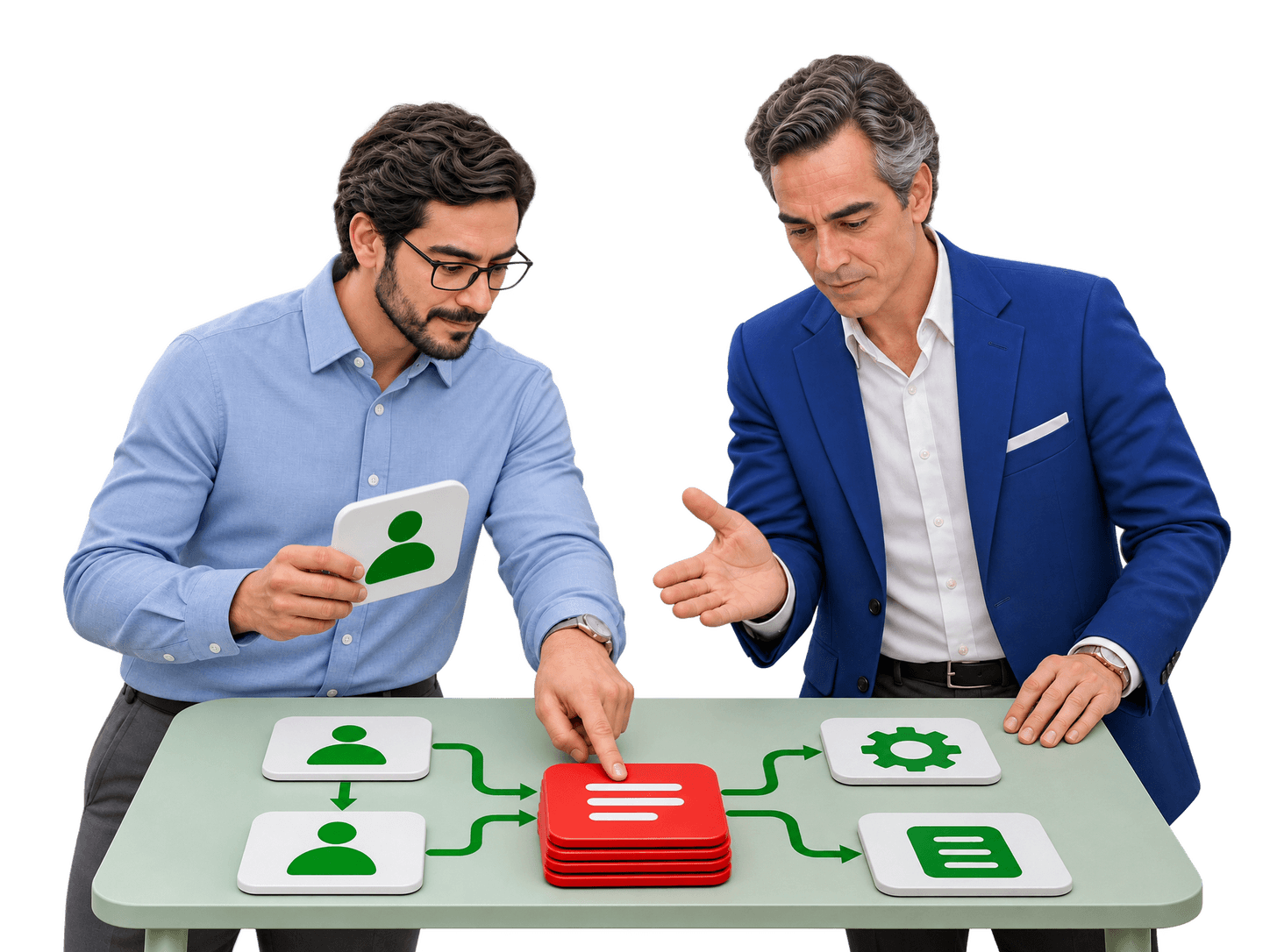
If your company faces any of these problems, this analysis is for you.
Requests pile up in queues and come back for corrections, but it is not always clear where the delay begins.
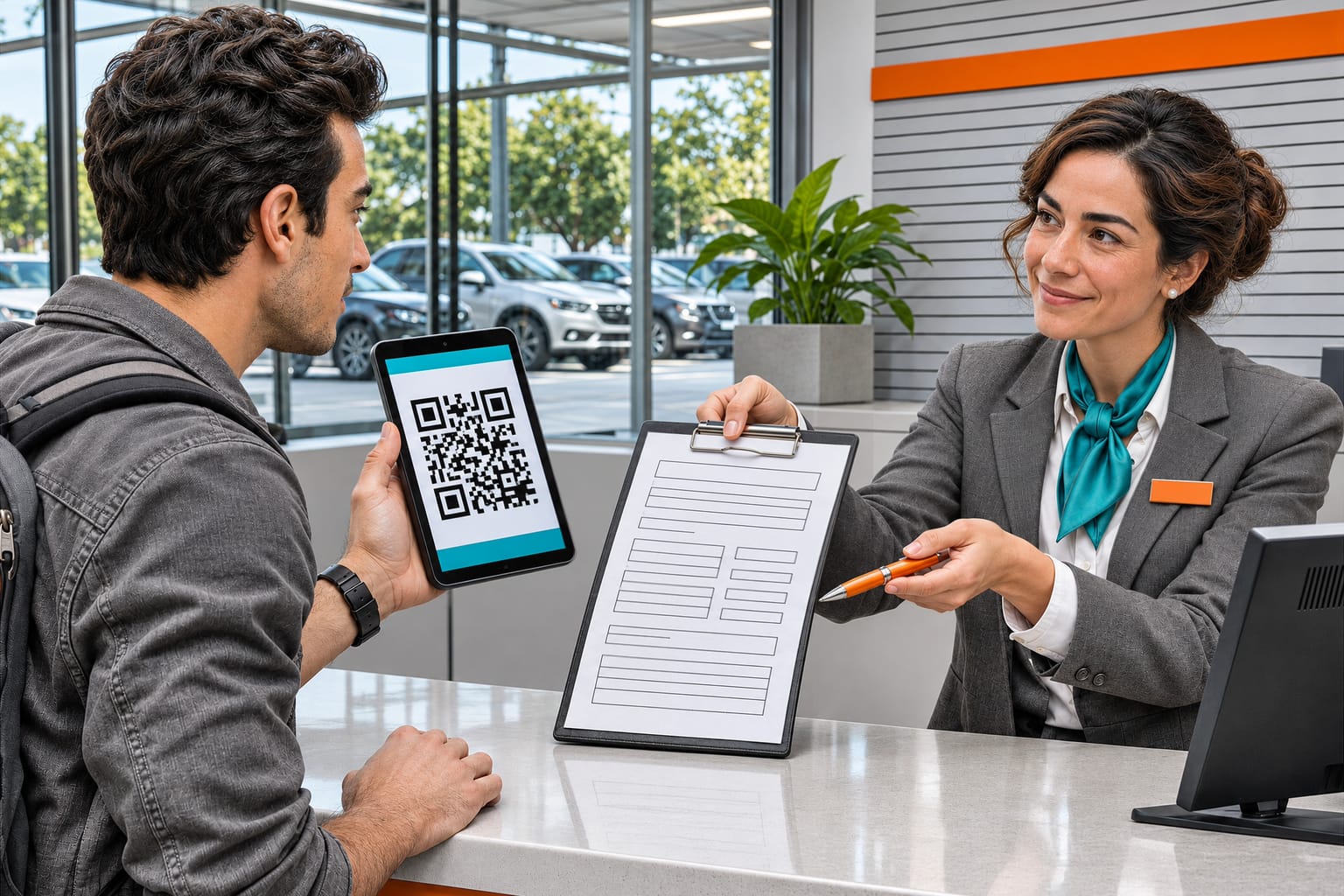
The team copies information between tools and depends on manual tasks to keep them connected.
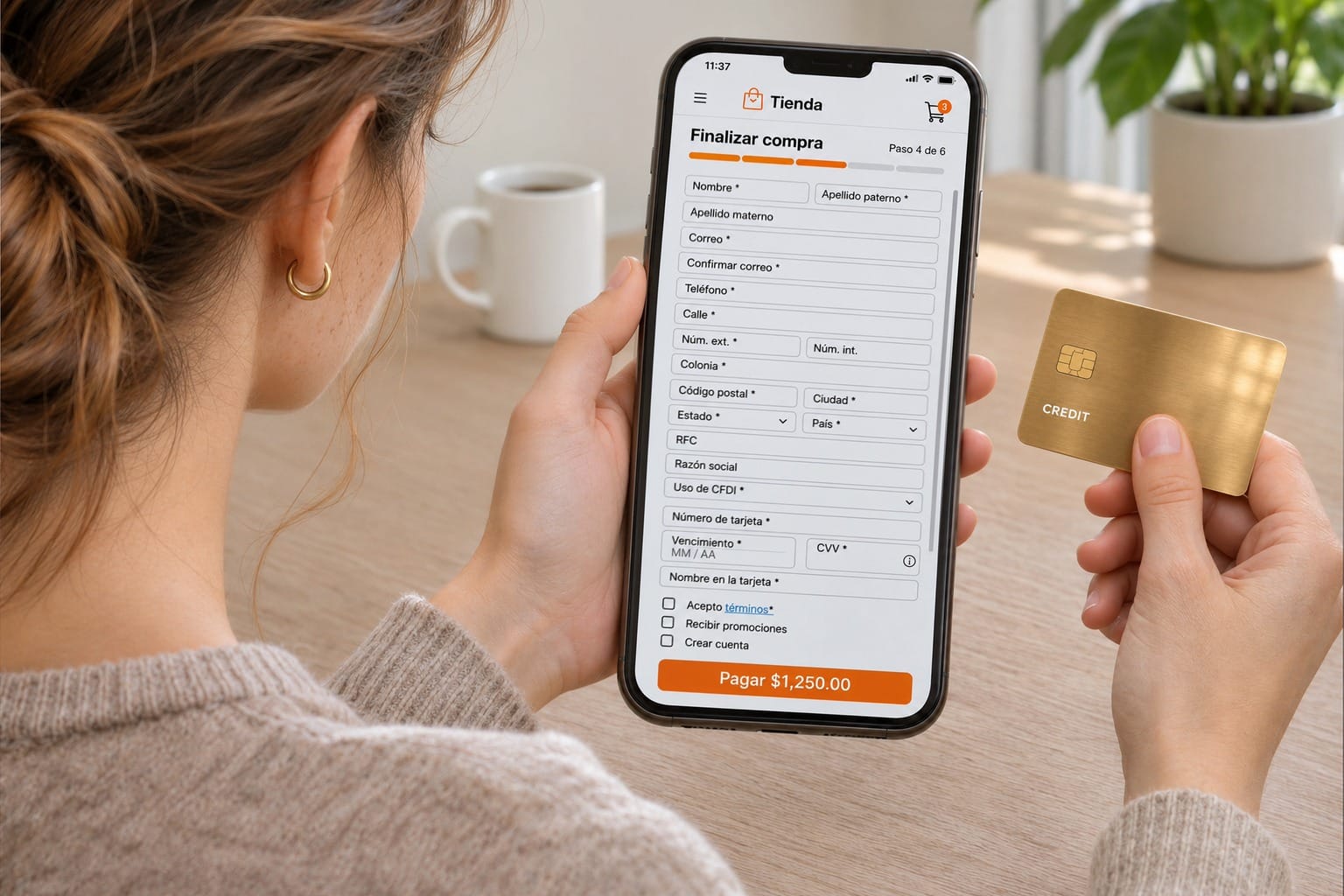
Customers and staff face confusing steps or need help to complete simple tasks.

The same task is handled in different ways, making a consistent experience and consistent results hard to achieve.
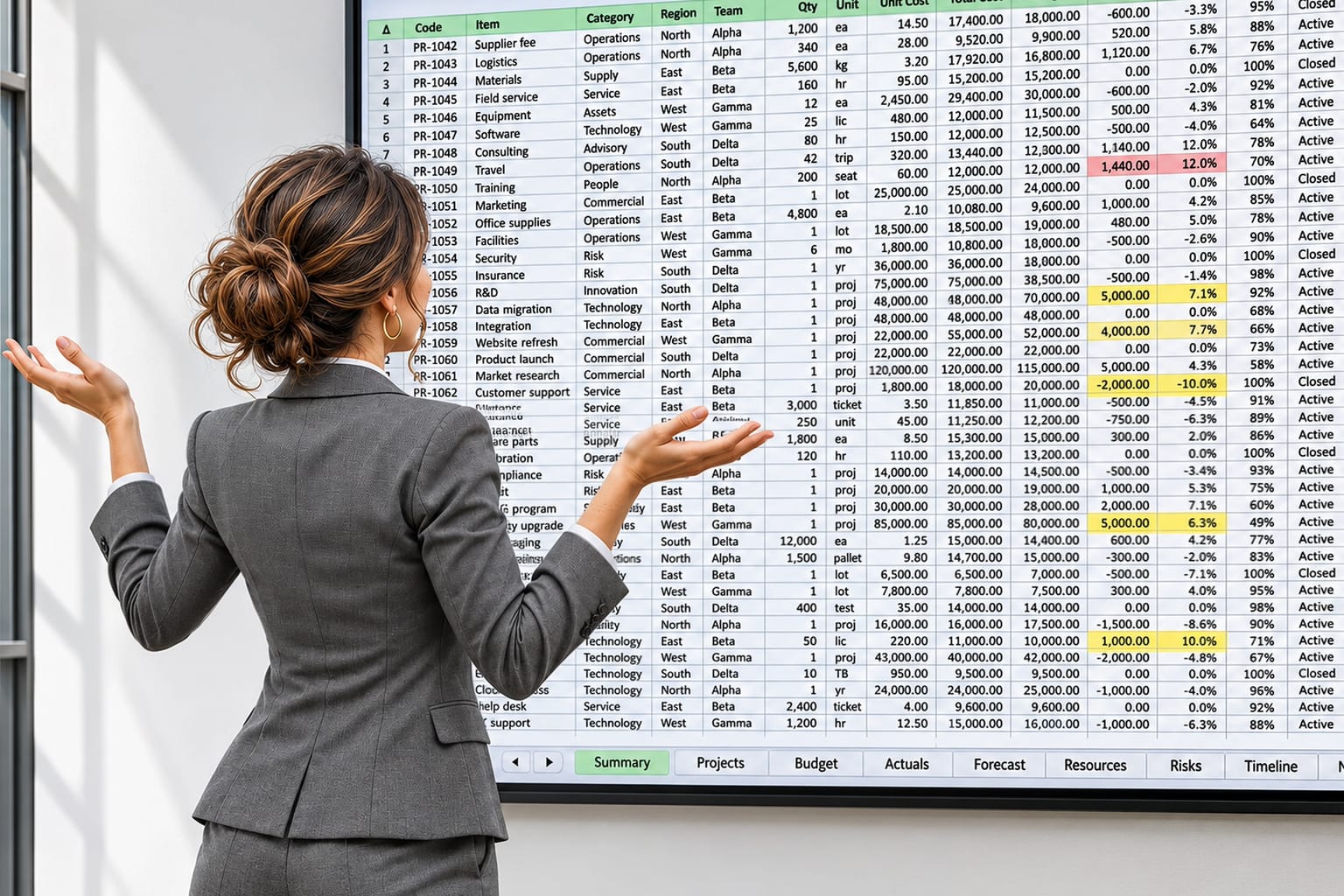
Reports arrive late or show different versions, making it hard to understand what is going on.

Each team pushes its own initiatives, but there is no common basis to decide what to tackle first.
We analyze your processes, identify bottlenecks and opportunities, and build an action plan to improve them.

Findings, causes or hypotheses, and the limits of the evidence.
Where work stops and why.

What deserves attention first.
How the solution should work.

What to do, what to postpone and what to validate.
A complete report, with diagnosis, opportunities and a plan to act.
See where work gets stuck, what is worth improving and where to start.
Preview · Adapted to your operation

OAR report / Illustrative example
Your company
Executive summary
Illustrative format, not real data
We schedule a meeting or video call
We analyze the company’s flows and processes on site
We analyze and cross-check findings
We set priorities and deliver the action roadmap
For reference. The schedule depends on the agreed scope, access and availability. Book a 20-min call
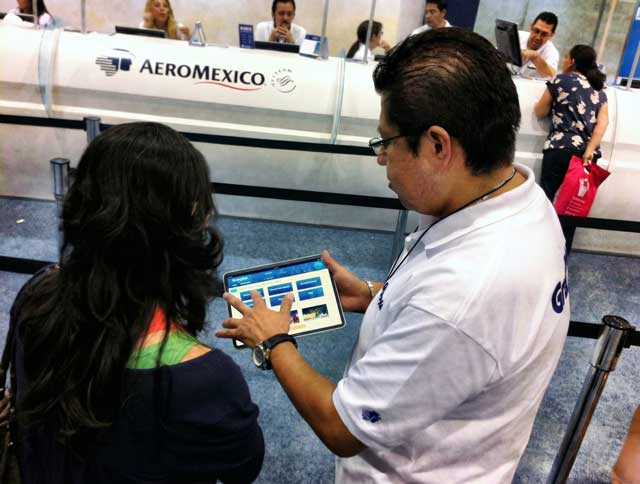

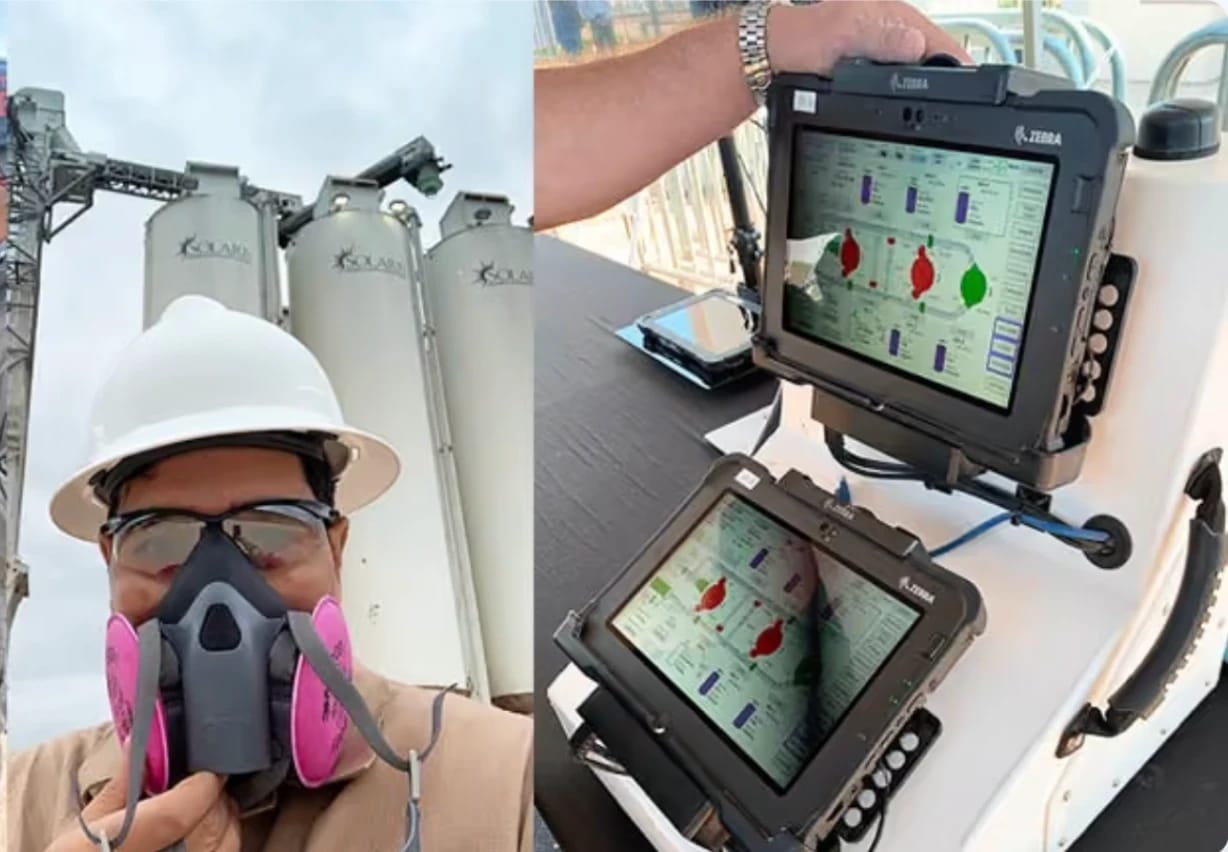

Professional experience of Rubén Ximénez with a direct client.
View case studyIf the problem sits in a single process, start with the Focused analysis. If it involves several teams, choose the Strategic one. If several problems are connected, the Comprehensive analysis sorts them into phases.Choose based on how many processes and teams your problem involves.
One concrete case in one process, up to two teams; we investigate the cause.
3–4 weeks
What it includes:
1 process · 1 unit
Up to 2 teams, 6 interviews and 3 sources.
Your team names a project lead and an operational contact. Includes a kickoff meeting, a results presentation and one round of comments on the report.
Several connected processes; we investigate their dependencies and agree on priorities.
4–6 weeks
Everything in “Focused”, plus:
Up to 3 processes · 1 unit
Up to 4 teams, 12 interviews and 6 sources.
Your team names a project lead and the leaders of the teams involved. Includes two workshops to agree on priorities across teams, a results presentation and one round of comments on the report.
Several problems are connected; we assess what each change affects and sequence the phases.
6–10 weeks or more
Everything in “Strategic”, plus:
Up to 6 processes · 2 units
Up to 8 teams, 20 interviews and 10 sources.
Your team names an executive as project lead. Includes three working sessions, a results presentation and two rounds of comments on the report.
We start from how your team works today, gather data, documents and interviews, and separate what moves from what gets stuck. That way every decision rests on evidence.
Carry out the roadmap with your team, another provider or OrangeStudio. Design, development and implementation have their own scope and price.


We need to understand what is holding the business back and agree on what to tackle first, before investing time and resources in a solution.

Before committing more budget, we need evidence to compare options, understand their implications and decide where it makes sense to invest.

We need to identify where we lose opportunities, from first contact to quote, to know what is worth improving first.

We need to find where work stops between teams and understand the impact of those waits before deciding how to fix them.

We need to understand how our systems and processes relate to each other to decide what to connect, change or keep before building more technology.

We need to show where my team’s daily work gets stuck and bring evidence to the table so improvements respond to what really happens.
See what we analyze, what your team receives and how long each option takes. Share it with your team or print it for your next meeting.
Download the service overview (PDF)We're selective with projects so every engagement receives our full attention.
When we entered the Mexican QSR market, we assumed our rivals would be chains like KFC or Burger King, just as in the U.S. But after a preliminary analysis, the OrangeStudio® team showed us a different reality: food stands and small cocinas were our toughest competitors. From there, they designed a new business strategy for website and crafted our core marketing messages.
The predictive dashboards OrangeStudio® built for our web platform turned raw data into real-time decisions. Operations now spot bottlenecks hours, sometimes days, before they hit.
By automating our approval workflows, OrangeStudio® cut processing time by 38% and eliminated manual errors. The custom software plugs seamlessly into our legacy ERP. No headaches, just results.

Our new mobile app went from concept to App Store in three months, bug-free and beautifully branded. Customer engagement jumped 54% the first month. I'm impressed by their commitment to our brand and attention to detail.

It is a standalone phase of research, diagnosis and planning. We analyze how your company’s processes, systems and data work today, find where work gets stuck and deliver a roadmap to decide what to change first.
It depends on the scope: the Focused analysis, for one specific process, takes 3 to 4 weeks; the Strategic one, for several connected processes, 4 to 6 weeks; and the Comprehensive one, for problems that need a phased plan, 6 to 10 weeks or more. The final schedule depends on the access and availability we agree on.
A report with the map and diagnosis of the current process, the prioritized opportunities with their future state, and a roadmap that shows what to test first, how to know it works and what to leave for later.
Yes. It is enough to tell us what is happening, where it shows and what decision you need to make. We investigate what is causing it before recommending a change.
One person to help us coordinate access to the people who know the process and to the information available. In the first conversation we agree on what is worth reviewing and who to involve.
We can start from what you already have and cross-check it with interviews and observation. In the report we separate what we could confirm, what is still a hypothesis and what remains to be validated.
We document them and explain why they are worth reviewing. You decide whether to leave them for later or to agree on expanding the analysis.
Implementation is agreed separately. With the roadmap, your team can carry out the changes on its own, with another provider or with OrangeStudio.